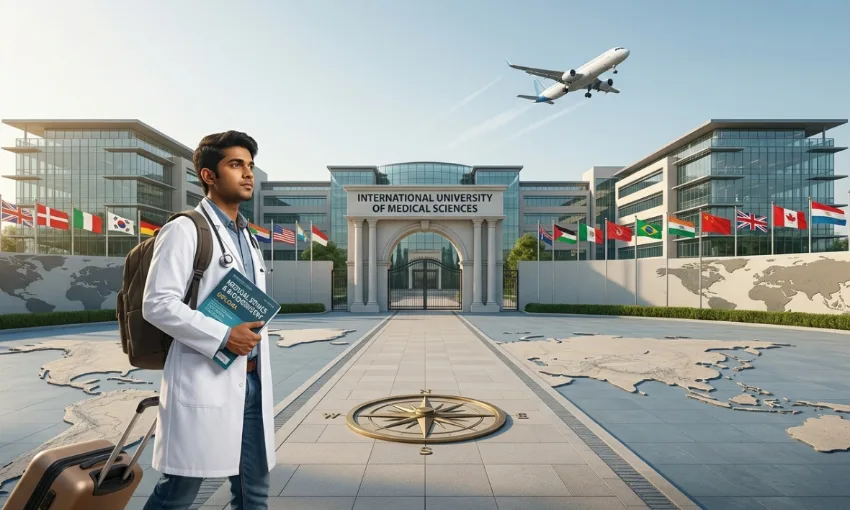
Complete Guide to Studying MBBS Abroad for Indian Students
Studying MBBS abroad has become an increasingly popular option for Indian students who aspire to build successful careers in medicine. Every year thousands of students choose international medical universities because of limited seats in government medical colleges in India and the high tuition fees charged by private institutions.
Many countries offer high-quality medical education with modern infrastructure, experienced faculty, and globally recognized degrees. Students can study medicine in countries such as Russia, Georgia, Kazakhstan, Kyrgyzstan, Uzbekistan, Vietnam, and Barbados, which provide excellent opportunities for international students.
This guide will help students understand the complete process, benefits, and requirements for studying MBBS abroad.
Why Students Choose MBBS Abroad
One of the main reasons students prefer studying MBBS abroad is the availability of affordable medical education. Private medical colleges in India often charge extremely high tuition fees, making it difficult for many students to pursue their dream of becoming doctors.
International universities offer similar or even better education at a much lower cost. Students also benefit from modern laboratories, advanced research facilities, and clinical training in well-equipped hospitals.
Another important reason is global recognition. Many international medical universities are recognized by organizations such as:
-
World Health Organization (WHO)
-
National Medical Commission (NMC)
-
World Directory of Medical Schools (WDOMS)
-
FAIMER
These recognitions ensure that graduates can appear for international licensing examinations and pursue medical careers worldwide.
Duration of the MBBS Program
The MBBS program abroad typically lasts six years, which includes five years of academic study and one year of internship or clinical training. During the course, students study subjects such as anatomy, physiology, biochemistry, pathology, pharmacology, surgery, and internal medicine.
Clinical training plays an important role in medical education, as it allows students to gain real-world experience in hospitals and healthcare institutions.
Medium of Instruction
Most medical universities abroad offer MBBS programs in English for international students. This makes it easier for students from India and other countries to understand the course content and communicate with faculty members.
However, students are often encouraged to learn the local language during their studies to communicate effectively with patients during clinical training.
Eligibility Criteria
To apply for MBBS abroad, students must meet the following requirements:
-
Minimum 50% marks in Physics, Chemistry, and Biology in 12th grade
-
NEET qualification is mandatory for Indian students
-
Minimum age of 17 years at the time of admission
-
Valid passport and required documents
These requirements ensure that students have the necessary academic background to study medicine successfully.
Admission Process
The admission process for MBBS abroad is simple and usually involves the following steps:
- (1) Career counseling and university selection
- (2) Application submission with academic documents
- (3) Receiving admission confirmation from the university
- (4) Visa application and approval
- (5) Travel arrangements and enrollment at the university
With proper guidance and preparation, students can complete the admission process smoothly.
Career Opportunities After MBBS Abroad
After completing MBBS abroad, students have several career options. They can:
- Appear for NEXT/FMGE to practice medicine in India
- Take the USMLE exam to practice in the United States
- Take the PLAB exam to work in the United Kingdom
- Pursue postgraduate medical studies in different countries
With the right preparation and dedication, students can build successful medical careers anywhere in the world.